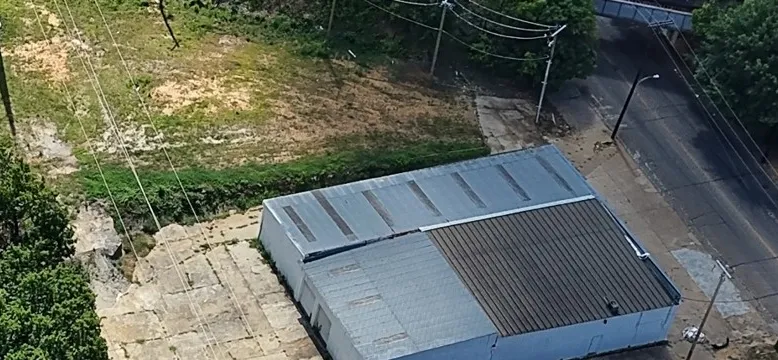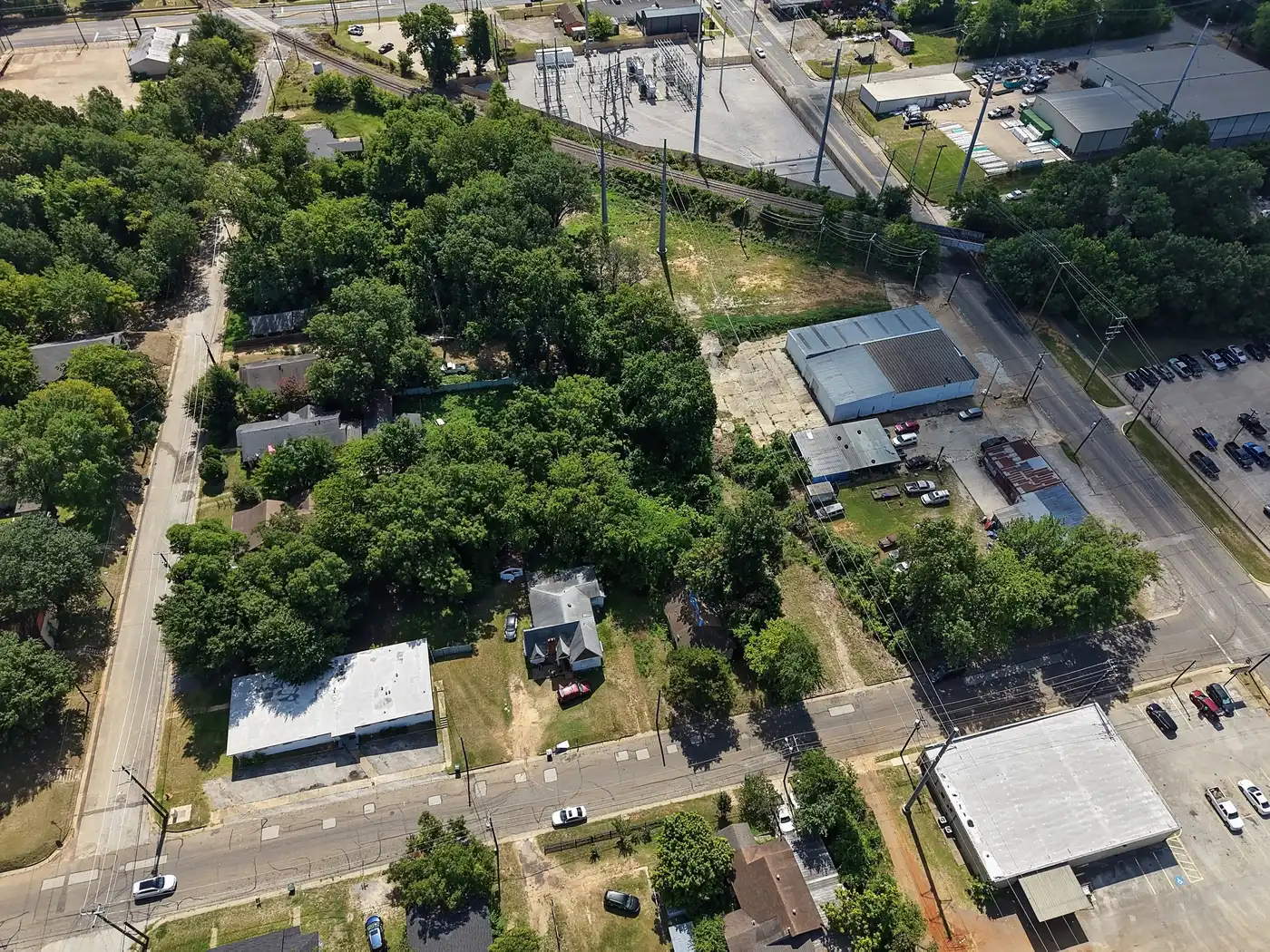
Aerial view of the W. Erwin Street corridor in Tyler, Texas, showing the project site beside the Oncor substation and rail line
Appeal to Tyler City Council · Case S26-003

In Texas, your word is your bond. Tyler gave us theirs. Twice. In writing.

This isn't about whether you support data centers. It's about whether the City of Tyler should keep its word. The City confirmed twice, in writing, from its own Planning Department, that our project is a permitted use at 1101 & 1105 W. Erwin Street (read the complete emails: April 4, 2024 and July 23, 2025). We invested ~$700,000 cleaning up the property on the strength of that word. Then the City reversed course. At the upcoming hearing, City Council can make it right, and show every resident and business that the City's written word matters.

A Personal Note

Who's asking you to stand with us.

Before you read the case, I'd like you to know who's asking.

My name is Ivan Pinney. I'm an engineer, a father of three, and I live in Houston. Tyler is an important place for me. I attended UT Tyler for a time, I've spent every Thanksgiving in Tyler for the past 35 years, and I have a lot of extended family there.

I'm not Google. I'm not Facebook. I'm not some big company. It's just me. This is my business, and it's how I support my family.

I made this investment and tried to do everything right: I asked the City before I spent a dollar, got the approvals in writing, and talked to the right people every step of the way. All was well until the political winds shifted. Now we're stuck.

I'm not one to ask for help. My instinct is to buckle down, go at it alone, and solve problems. But the political side of things is a little outside my wheelhouse, so I'm asking the community for help holding the City to its word.

Because this isn't just about me. If written commitments from the City can be reversed after someone relies on them, it affects every resident, business, and nonprofit that depends on clear, consistent decisions from their local government.

— Ivan Pinney
Engineer · Father of three · Barrio Resources LLC
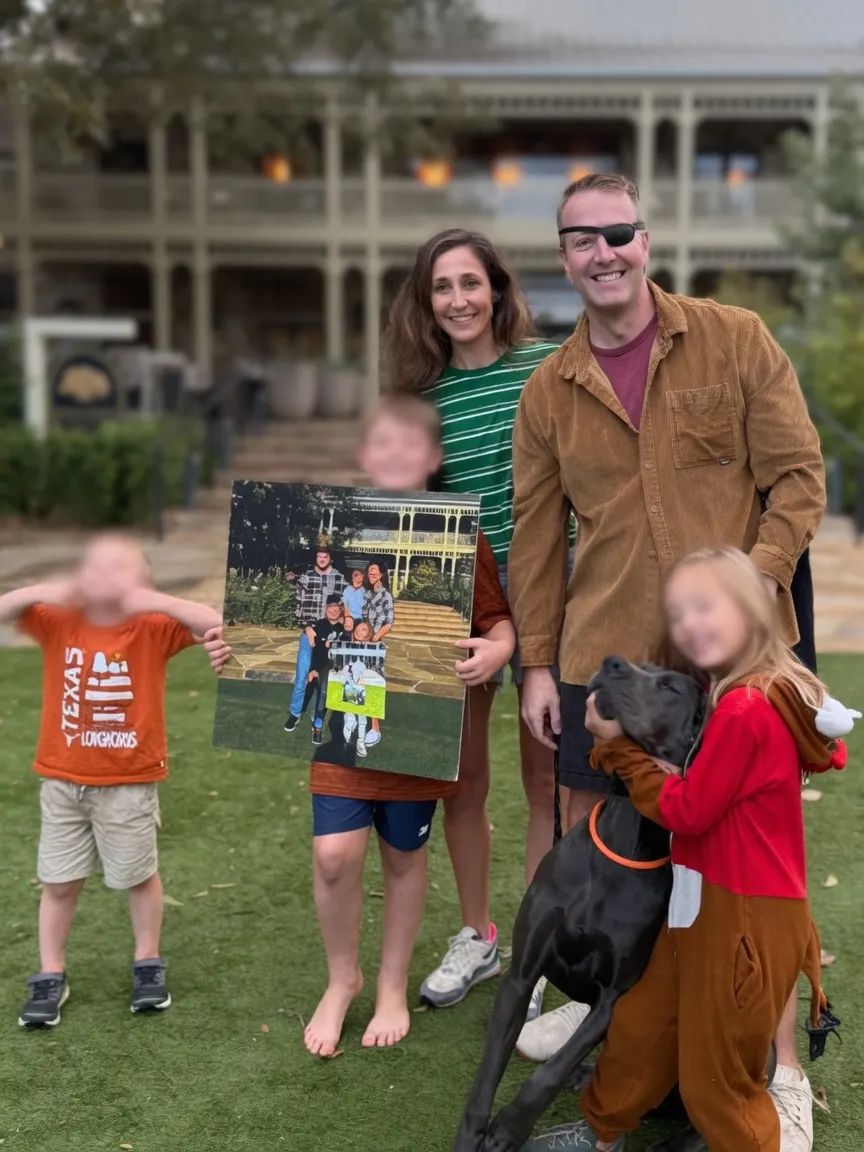
Ivan Pinney with his wife, three kids, and their Great Dane
The whole crew: the family this business supports.
The Story

We asked before investing. The City confirmed the use, twice. Then they changed their mind.

This isn't a story about a company trying to skirt the rules. Before a single dollar was spent, Barrio Resources asked the City of Tyler, in writing, whether a data center was allowed at this industrial site. The City said yes. Here's what happened next.

March 2024
Barrio puts both parcels under contract

Two rundown parcels on W. Erwin Street, zoned M-1 light industrial, next to an Oncor substation and a rail line.

April 4, 2024 · Confirmation #1
The City confirms the use in writing
“Data Processing Center/Data Center is an allowed use in ‘M-1’, Light Industrial District.”— Senior Planner, City of Tyler Planning Department · written response, April 4, 2024 · Read the complete email (PDF)
2024 – 2025
Barrio closes and gets to work

Both parcels purchased. ~$600,000 committed to remediation and electrical infrastructure upgrades. The City itself approves the permits for those upgrades.

July 23, 2025 · Confirmation #2
The City confirms it again, even more clearly
“A data processing center is a permitted use under this zoning, and therefore a Special Use Permit is not required. Please note that only standard building permits… will be necessary.”— City of Tyler Planning Department · written response, July 23, 2025 · Read the complete email (PDF)
The Reversal
The Planning Director changes course

After two written confirmations and ~$600,000 of investment, the City reverses: now a Special Use Permit is “necessary.”

April 2026
Barrio applies for the SUP in good faith

Rather than fight, Barrio files application S26-003 to keep the project moving, while preserving its position that no permit was ever required.

July 7, 2026
P&Z denies the permit

The Planning & Zoning Commission denies S26-003, measuring a sealed, air-cooled computer building against the City's setback rule for oil and gas wells, a comparison invoked 11 times in the meeting.

Next · Hearing date to be announced
Tyler City Council hears the appeal

Council can reverse the denial, or confirm what the City already said twice: no permit was ever required. That's where you come in. Sign below and we'll let you know when the hearing date is set.

2

Written confirmations

Before purchasing the property and again before investing hundreds of thousands of dollars, we asked the City's Planning Department whether a data center was permitted on this property. Both times, the City responded in writing that it was. Read the April 4, 2024 and July 23, 2025 confirmations.

~$700K

Invested on the City's word

~$400K to purchase both parcels, ~$200K in rehab and electrical infrastructure, ~$100K in permitting, legal, and engineering. Nearly all of it was committed after the City's written confirmations and before the reversal.

Why this matters beyond one property

When someone buys property or invests based on the City's written zoning guidance, they should be able to count on it. If that guidance can later be reversed, every homeowner, resident, and business owner has reason to wonder whether the City will stand behind its written word. Clear, consistent zoning decisions are essential to trust and responsible investment in Tyler.
The Facts

What you can expect from us.

The equipment in question: four air-cooled heat exchangers and 88 electric fans, screened behind an 8-foot fence. That's the equipment of a large air conditioner. This is HVAC, not heavy industry. Here are straight answers to the questions neighbors actually ask.

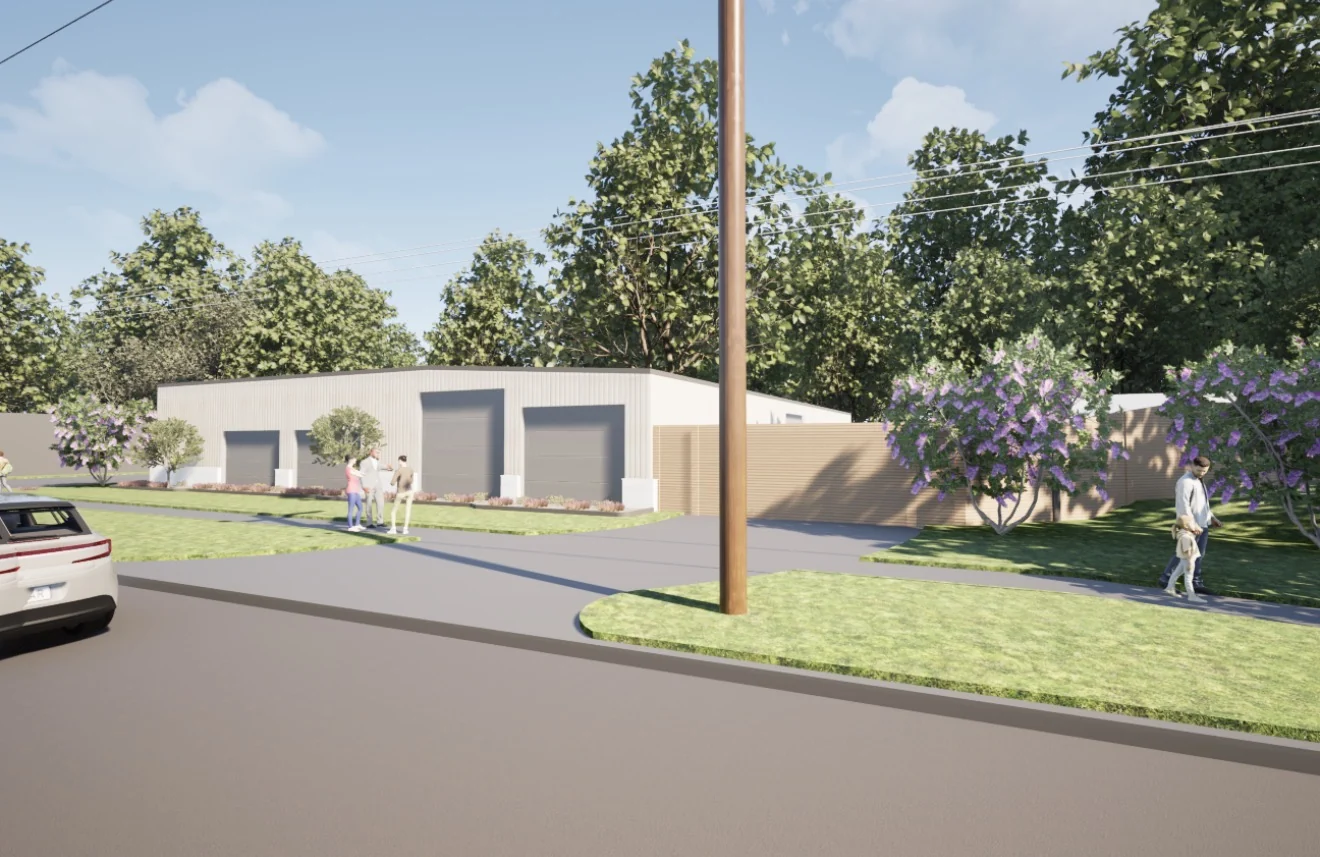
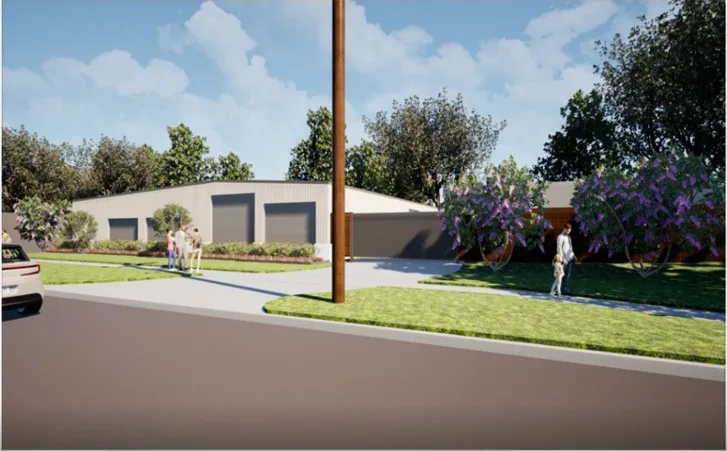
Rendering of the planned facility: a sealed, screened, landscaped building
The planned facility: sealed, screened, and landscaped.

Will it create air pollution?

No. The fans are electric, with no generators, no on-site fuel, no combustion, and no burning of any kind.

Will the facility use a lot of city water?

No. Zero city water is used for cooling. The facility's closed-loop system recirculates its glycol/water mixture. Municipal water is used only for restrooms and sinks.

Will it cause electric rates to go up?

According to Tom Trimble, East Region Director at Oncor, who answered this question at the City of Tyler Planning & Zoning meeting: “No, [Barrio Energy's] use should not impact the rates around them at all.”

Will it take electricity away from nearby customers?

No. Oncor reviewed the project and confirmed the substation has enough capacity for this facility and for future growth in the area.

Will it bring more traffic to the neighborhood?

No. Only one or two staff members are typically on site, with no loading docks and no routine truck traffic.

Will taxpayers subsidize it?

No. The project requests no tax abatements and is projected to generate about $7 million in state and local taxes over 10 years, including ~$1.2M to the City of Tyler's general fund.

Hear directly from the local contractor involved

At the July 7 Planning & Zoning meeting, the project's local Tyler contractor told the Commission who he is, what this project actually involves, and what the denial means for the people who work on it. This is his complete statement, unedited.

Excerpt from the City of Tyler Planning & Zoning Commission meeting, July 7, 2026 (beginning at 2:30:54), unedited. Watch the City's full recording.

The Noise Question

Quieter than the street already is.

A continuous 48-hour field measurement found the neighborhood's own noise floor at ~45 dBA, spiking to ~75 dBA with every passing train. The facility is engineered to run at ≤35 dBA at the nearest home: 10 dB below the quiet that's already there, and 28 dB under Tyler's 63 dBA legal limit. Barrio has offered to write that number into the permit as a binding, city-enforceable condition, tested after construction at Barrio's own cost.

This facility≤35 dBA
Neighborhood at its quietest~45 dBA
Tyler legal limit (§ 4-90)63 dBA
Each passing train~75 dBA
For scale: 30 dBA ≈ a quiet library · 50 ≈ a quiet office · 60 ≈ normal conversation
≤35 dBA
This facility
~45 dBA
Neighborhood at its quietest
63 dBA
Tyler legal limit (§ 4-90)
~75 dBA
Each passing train
30 dBA · quiet library50 dBA · quiet office60 dBA · normal conversation80 dBA
A Question of Fairness

The same building, called a “warehouse,” needs no permit at all.

A climate-controlled warehouse with the very same rooftop cooling could open on this lot tomorrow with no Special Use Permit required. Change one word on the application, and suddenly a permit is “necessary.” The rule attached to the label, not the impact.

ImpactClimate-controlled warehouseThis data center
Cooling equipmentSame: electric fans & heat exchangersSame: 88 electric fans, screened
Noise at the homes Equal or louder (dock doors, refrigeration) ≤35 dBA, below the existing noise floor
Truck traffic Heavy (diesel trucks, 24/7 loading docks) Almost none (1–2 staff, no deliveries)
Municipal water Often uses city water Restrooms and sinks only, none for cooling
On-site fuel / combustion Forklifts, diesel, generators None
Special Use PermitNot requiredDenied

And the denial itself? P&Z measured this sealed, air-cooled building against Tyler's 300-foot setback rule for oil and gas wells, a rule written for blowouts, flaring, and combustion engines. The comparison was invoked 11 times at the July 7 meeting. No well. No gas. No flare. No fuel. No combustion. Even on that borrowed standard's own terms (65 dBA allowed at 300 ft), this facility runs 30 dB quieter.

The Neighborhood

From neglected property to community investment.

Before Barrio purchased the property, it was littered with junked vehicles, oil drums, outdoor storage, and nearly 70 tires pulled from the creek. Barrio cleaned up the site at its own expense, transforming a neglected property into one ready for productive use. A Phase II environmental assessment found no reportable release, with no further investigation warranted.

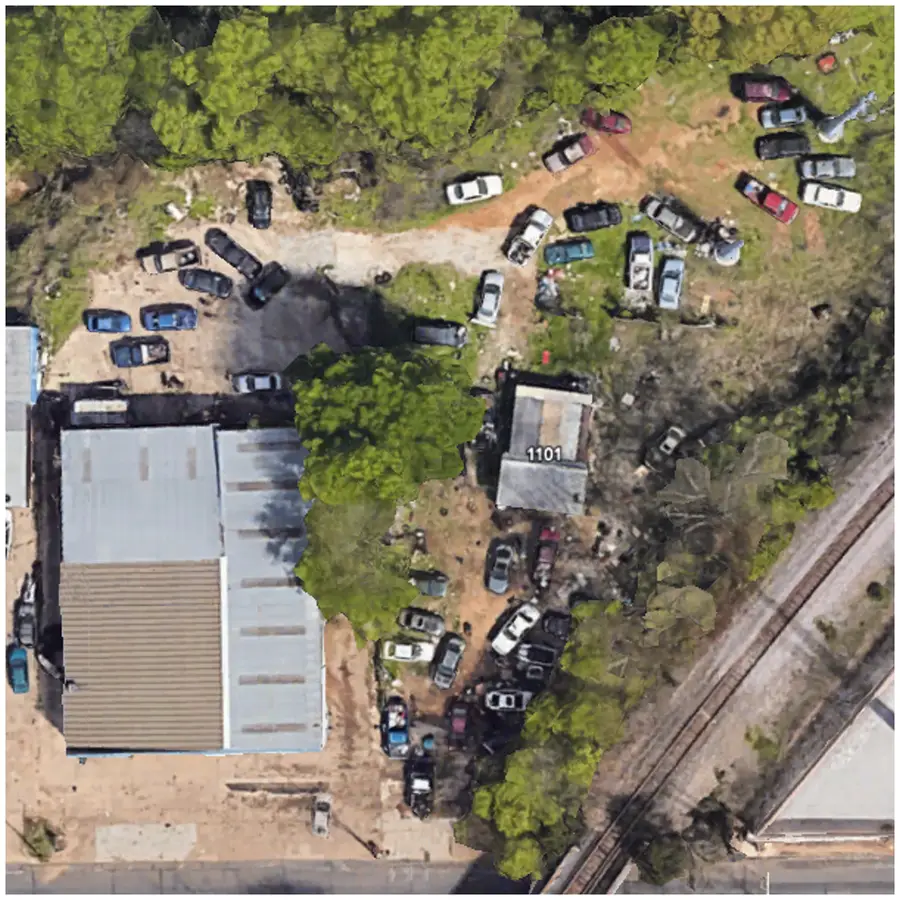
Aerial photo at purchase: dozens of junked vehicles and open salvage storage on the property
At Purchase

An unpermitted salvage yard

Junked cars, scrap, and open storage, failing the code's own screening standard for a junk yard (UDC §10-344).

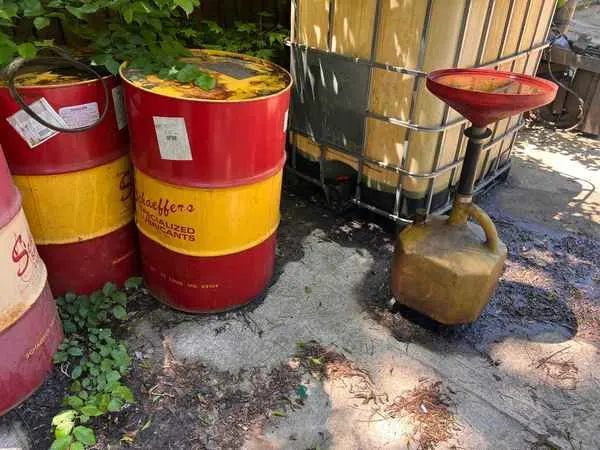
Drums of oil and lubricants found on the property at purchase
At Purchase

An environmental liability

Drums of oil and diesel, an oil caddy, and ~70 tires pulled from the creek, all removed and remediated at Barrio's cost.

Aerial view of the property today: the junked vehicles and open storage are gone, the pad is cleared
Today

The same view, cleaned up

The junked vehicles and open storage are gone. The pad is cleared and the site is secured.

Street-level rendering of the planned facility: a sealed, screened building with landscaping, flowering trees, and neighbors walking along the sidewalk
The Future

A lasting community investment

A modern industrial data processing facility with attractive landscaping, architectural improvements, and sound mitigation, transforming a once-neglected property into a long-term community investment.

Voices of Support

Independent voices urged the City to approve.

Two op-eds in the Tyler Morning Telegraph, from the former head of the Texas Department of Public Safety and the man who led Tyler's economic development for 31 years, each independently reviewed this project and urged approval.

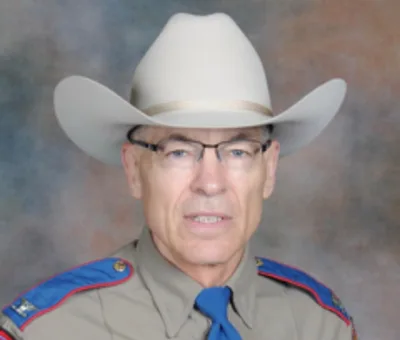
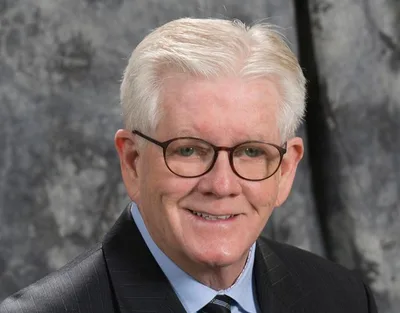
Col. Steven C. McCraw
Former Director, Texas DPS (2009–2024) · Texas National Security Council · 40+ years in the FBI & law enforcement
“Data centers are not some futuristic novelty. They are the physical backbone of everyday life — every email, every debit card swipe, every 911 call flows through them.”
“Denying responsible data centers, who have actively met with city officials and neighbors to address concerns, is essentially putting all of our data at risk.”
Read the full op-ed in the Tyler Morning Telegraph →
Tom Mullins
Tom Mullins
Former President & CEO, Tyler Economic Development Council (31 years)
“If a low-impact industrial user that fits the requirements cannot locate on industrially zoned land, where can it locate?”
“Investors notice whether communities follow their adopted plans and apply regulations consistently. Predictability matters. … Approving the Special Use Permit would send the right message: Tyler remains committed to thoughtful growth and responsible economic development.”
Read the full op-ed in the Tyler Morning Telegraph →
Add Your Name

Sign the letter of support before the Council hearing.

City Council listens to the people of Tyler. A minute of your time puts your name behind a simple principle: when the City puts something in writing, it should keep its word. If you are a resident of Tyler, TX, please consider sending the City the message below. Supporters from elsewhere are welcome to sign as well; your state is shown with your signature.

The letter you're signing

To the Honorable Mayor and Members of the Tyler City Council:

I support the data center project at 1101 & 1105 W. Erwin Street (Case S26-003). The City confirmed in writing, twice, that this use is permitted on this industrially zoned land, and the owner invested in our community in good-faith reliance on the City's word.

The project pays full taxes with no abatements, uses no city water for cooling, adds almost no traffic, and is engineered to run quieter than the street's existing noise floor, with those commitments offered as binding, enforceable permit conditions.

I respectfully urge the Council to grant the appeal: approve S26-003 with the offered conditions, or confirm that no Special Use Permit was ever required. Honor the City's written word.

neighbors and supporters have signed the letter so far

We respect your privacy. Your email is used only to verify your signature and, if you opt in, to deliver the letter to City Council. It is never sold, shared, or displayed publicly. The public supporter list shows first name, last initial, and state only.